
Raymond Chandler said that “The most durable thing in writing is style.” He used the word durable because he was concerned with what makes writing last. But when you look at writing that has lasted, there’s no consistency of […]
Academia / Class / Culture / Literature
Posted on:
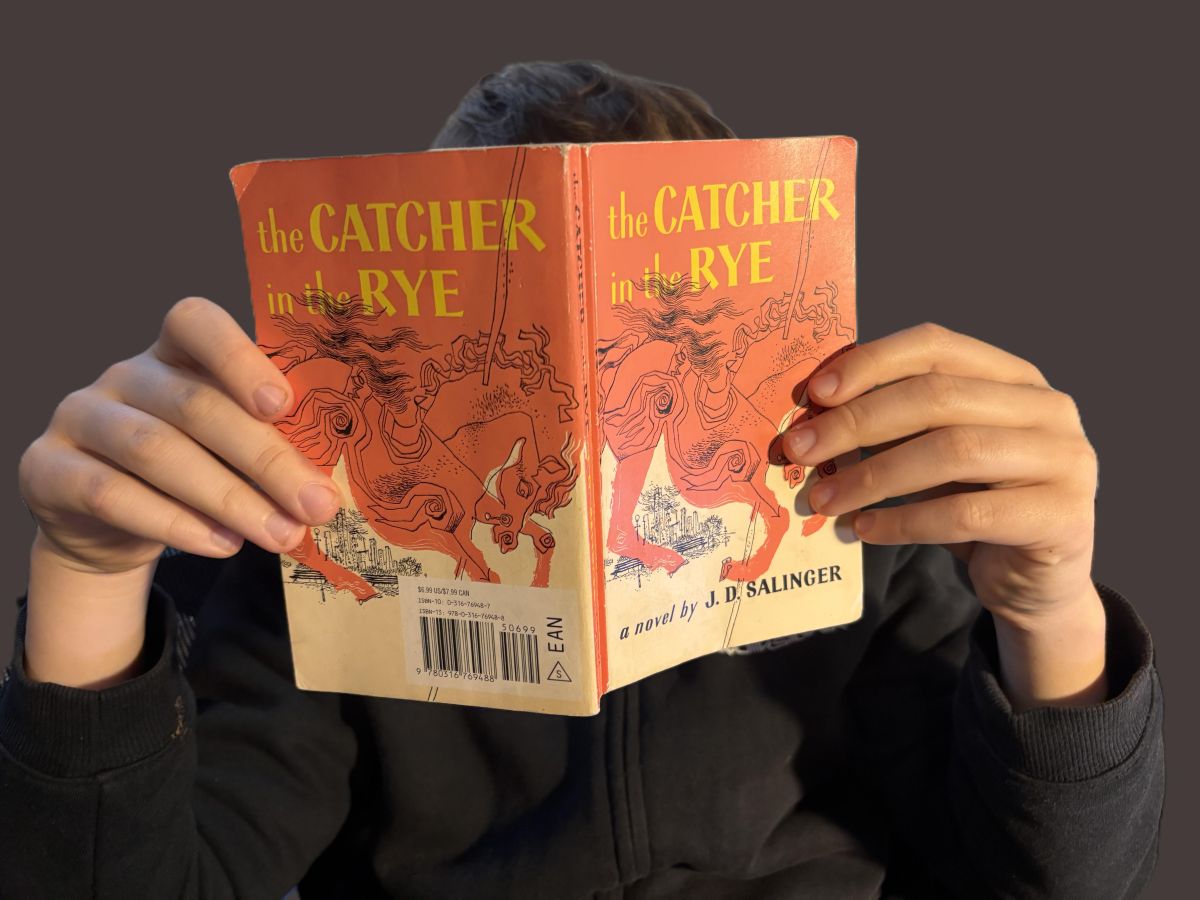
What Is Taste? A Study in a Boy of Ten
Pierre Bourdieu’s theory of taste (taste is a function of class) may be true when taste is determined by classist institutions like The New Yorker. But Bourdieu’s reduction of taste to keeper of the social pecking order falls […]
Culture / Literature / Media / Politics
Posted on:
From Public Intellectual to Public Persona
When Jordan Peterson was at the peak of his popularity, I made the mistake of bringing up one of his ideas—”Do not let your children do anything that makes you dislike them”—at a family get-together. […]

Culture / Literature / Politics
Posted on:
The Emperor Doesn’t Need Clothes—You Do
The Emperor has no clothes because the Emperor has no shame. Only his subjects must cover themselves. The Emperor, like God, “giveth and taketh away.” What he giveth and taketh away is your importance. The […]
Academia / Culture / Literature / Politics / Technology
Posted on:
Books Will Abide, Though Readers May Not
James Marriott’s essay on the “dawn of the post-literate society” supports what to me has been evident for over a decade: in the wake of the smartphone, book readership has diminished and so has the […]
Class / Culture / Literature / Politics
Posted on:
Reflections on the Narrative of Frederick Douglass
Years ago, I heard a passage from Narrative of the Life of Frederick Douglass on Dan Carlin’s Hardcore History podcast. It was in episode 68, “Human Resources.” What impressed me was not only its power […]
Art / Culture / Literature / Poetry
Posted on:
My Poetry Divorce
Near the end of my 25-year marriage to poetry, a friend jokingly called my books “stocking stuffers.” That was when I stopped questioning what I could do to make poetry more relevant and entertaining and […]
Consumerism / Culture / Dystopia / Literature
Posted on:
The Dystopia Files: Brave New World
Happiness, broadly conceived, is the predominant endeavor of human existence. It is the state we tell ourselves that we fundamentally want yet fail to achieve. It is what progress promises yet fails to deliver. And […]
Dystopia / Literature
Posted on:
The Dystopia Files: Nineteen Eighty-Four
More than any other dystopia, George Orwell’s Nineteen Eighty-Four concentrates on its hero’s psychological state and his efforts to reveal the truth of the superstate in which he lives. Orwell’s meticulous attention to the engineering […]
Dystopia / Literature
Posted on:
The Dystopia Files: Fahrenheit 451
In 1950, when Fahrenheit 451 first appeared as “The Fireman” in the magazine Galaxy Science Fiction, television was fast becoming a ubiquitous feature of the American home. The big three commercial television networks (NBC, ABC, […]